Deep spring cleaning removes corrosive grime and protects your vehicle from long-term damage. It also restores your car’s value and helps you spot minor issues like small chips or leaks before they turn into major repairs.
”Winter damage is sneaky. Most of it is hiding where you’re not looking,” says Jaryd Ladwig owner of Champu Auto Spa in Southeast Michigan. "Salt, grime and moisture hide in the smallest gaps and can cause problems once the weather warms up.”
Ladwig spent a decade in the mortgage industry before launching a detailing business that combined his love for cars with a desire to serve his community. He offers professional advice that ensures your vehicle gets a thorough post-winter cleanup:
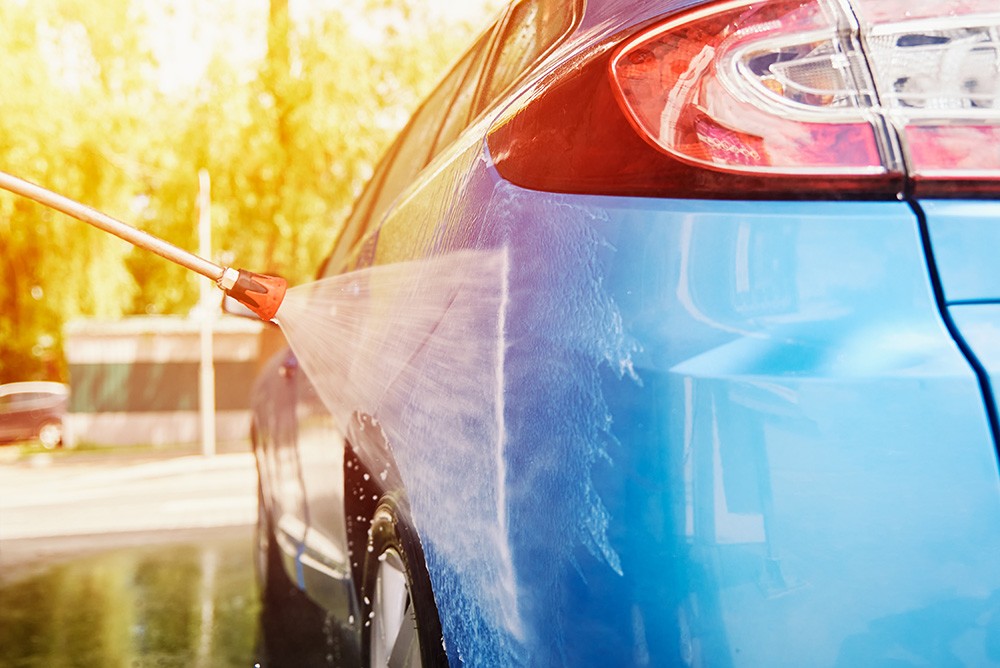
1. Start with a rinse. Salt, sand and grime build up in hard-to-see areas like the undercarriage, wheel wells and rocker panels. Use a high-pressure rinse to wash away contaminants before they corrode metal parts or destroy your car body.
Follow up with a gentle hand wash to lift any remaining debris.
Ladwig suggests washing your car with deionized water which is free of minerals like calcium, magnesium and chlorine. This prevents tiny deposits and streaks from appearing on your paint.
“Deionized water removes minerals that could stain or weaken protective coatings,” Ladwig says. “Think of it as preparing the canvas before you paint—it sets the foundation for everything else you do.”
2. Remove road grime. Tree sap, tar and residual salt stubbornly cling to vehicle surfaces. If left untreated, these contaminants permanently can damage your paint and trim.
Ladwig uses this five-step plan for removing impurities from vehicles:
- Give your car a quick rinse to wash away loose dirt and debris. Next, mist the surface with a car cleaning spray.
- Spray the cleaner directly on sticky spots. Leave it for a few minutes to soften sap, tar and tough grime.
- Use a soft microfiber cloth or detailing sponge to rub the contaminated area in small circles. Scrubbing too hard can scratch the paint.
- Rinse thoroughly with clean water to remove cleaner and lifted debris.
- Check the surface by touch. If it still feels rough or sticky, repeat the process.
3. Decontaminate the paint. Brush your hand across the surface of your vehicle. Does it feel a bit like sandpaper? Those rough patches are embedded contaminants and must be removed before waxing your vehicle to bring out its best shine.
Use a clay bar and a decontaminating spray to remove embedded metal particles, brake dust and bonded debris from painted surfaces. Ladwig recommends folding the clay frequently so you always have a clean side before moving to the next section. This helps prevent dragging dirt across the paint.
4. Use a coating shield. Apply a wax or ceramic coating to shield your paint from UV rays, pollen and other spring contaminants. This protective layer also prevents particles from sticking to your car’s surface.
“Think of wax or ceramic coating as your car’s armor for spring,” Ladwig says. “It keeps your paint safe from invisible damage and makes future washes easier.”
For ceramic waxes, make sure to follow directions on the product label. They are applied differently than traditional wax products.
5. Wash the wheels. Rinse wheels with high-pressure water to dislodge stubborn grime. Clean with brushes designed specifically for wheels–barrels, spokes and lug areas–to avoid scratches and prevent spreading brake dust or salt.
After a thorough cleaning, apply a wheel wax or sealant made for wheels protected from corrosive road grime and brake dust.
6. Restore tire rubber and gloss. Scrub tires with a tire brush until the suds turn white. This means that the old dressing and grime have been fully removed. It also removes the dull brown haze, or “blooming,” that naturally occurs with tires.
Coat the tires with a dressing that prevents cracking and premature wear. Dry each tire with a clean microfiber towel to seal its deep and glossy black shine.
Ladwig suggests reapplying a light dressing every month instead of a single thick coat.
“Thick applications just sit on the surface and sling off, but light coats actually soak into the rubber and replace oils winter weather strips away,” Ladwig said. “This helps prevent drying, cracking and UV damage as warmer temperatures arrive.”
7. Glass cleaning. Use a glass cleaner and microfiber towel to remove greasy buildup from heater residue, road spray and wiper fluid.
Using one towel specifically for cleaning and a second one for drying to help prevent streaks.
Notice any dirt If your vehicle has stickers on glass surfaces, clean around the edges.
”Instead of spraying the cleaner directly on the glass. Apply it to your towel to prevent moisture seeping under the stickers,” Ladwig says. ”Use a folded corner of the towel to trace the edges without risking them peeling off.”
8. Get rid of winter slush. Start with a vacuum to extract salt lodged deep in your carpets, floor mats and upholstery.
Check under the floor mats for moisture. Wet padding encourages mildew growth as spring temperatures rise.
Final Inspection
Small spots of grime, waxy residue or overlooked contaminants can reduce the effectiveness of your car’s protection and glossy finish. Inspect your car from different angles in daylight.
Feel for rough spots and check for overlooked areas. Spot treat those areas with a quick detailing spray and apply some wax.
“The final inspection is your last chance to make sure winter damage is gone and spring protection is in place,” Ladwig says. “It’s the step that turns a clean car into a well-protected car.”